35 Best Survival Strategy Games For Beginners You Can Start Today
Survival Strategy Games For Beginners Who Want A Smooth Start
You decide it’s finally time to try a survival strategy game. Within minutes, you’re staring at colony simulators, zombie sandboxes, and post-apocalyptic city builders all promising depth, challenge, and endless replayability. What they don’t tell you is how steep the learning curve can be.
Survival strategy is one of the most rewarding genres in gaming, but it has a serious onboarding problem. Many of its most celebrated titles assume you already understand resource loops, automation systems, and layered management mechanics. Beginners often mistake popularity for accessibility, and that’s where frustration begins.
Below, you’ll find the 35 best survival strategy games for beginners ranked by learning curve, micromanagement level, and overall accessibility.
1. Northgard
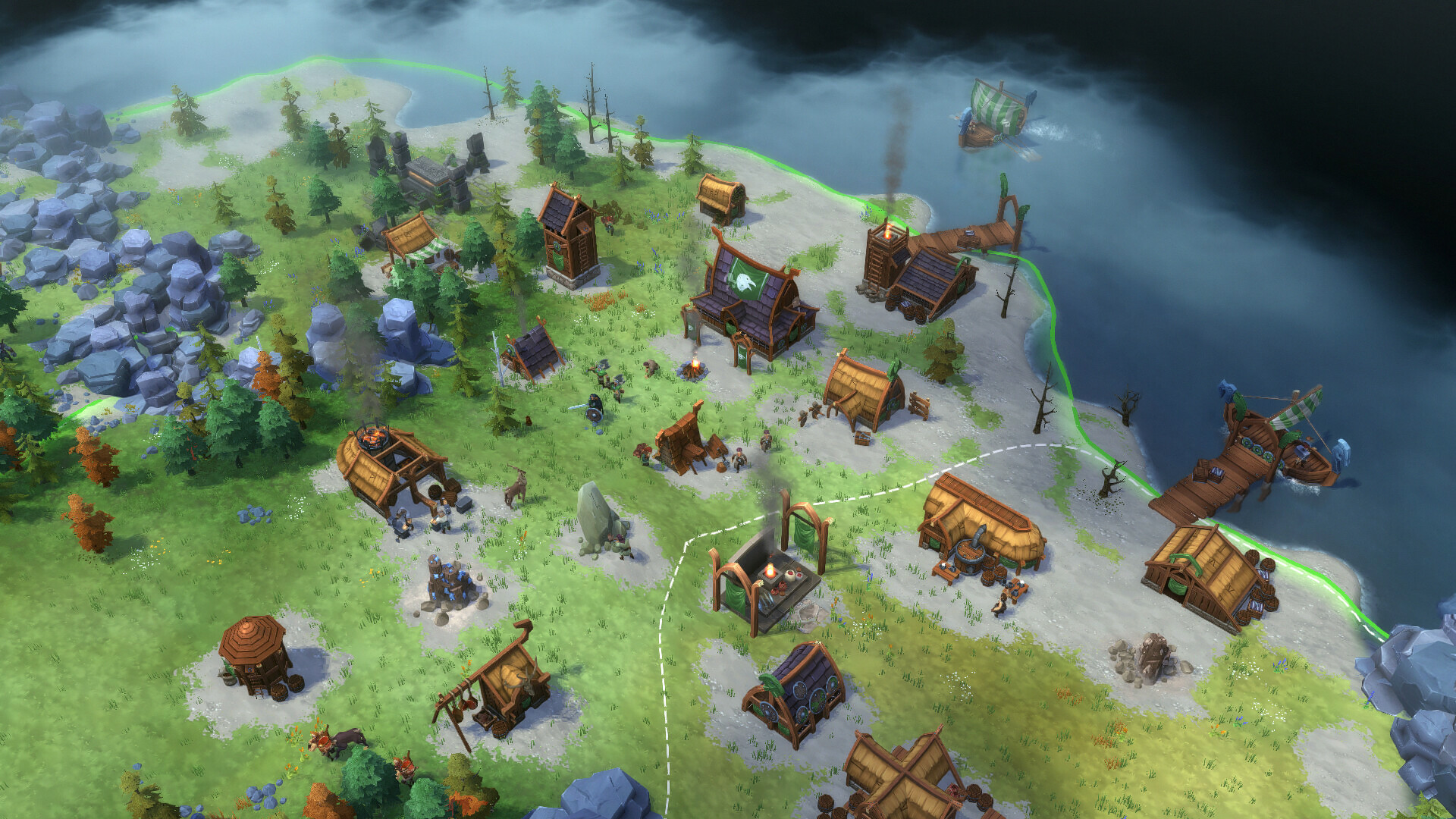
If you want an entry point into survival RTS games without being buried under micromanagement, Northgard is one of the safest places to start.
At its core, Northgard blends real-time strategy, resource management, and light survival mechanics. You manage a Viking clan, assign villagers to gather food, wood, and gold, and expand territory tile by tile.
The brilliance lies in its structure: each system feeds into the next predictably and understandably. Players coming from fast-paced competitive games like BGMIoften find Northgard refreshing because it rewards long-term planning and economic balance rather than pure reaction speed.
What makes it ideal for beginners:
- Clear seasonal cycle (winter increases food pressure)
- A limited population cap keeps complexity manageable
- Structured campaign missions teach mechanics gradually
- Clean, readable UI with strong tooltips
If you're new to strategy survival games, this is an excellent foundation builder.
2. Subnautica (Survival Or Freedom Mode)
Subnautica is technically a survival sandbox, but its emphasis on resource management, base building, and environmental threats makes it a strong crossover into survival strategy gameplay.
You crash-land on an alien ocean planet. Hunger, thirst, oxygen levels, and environmental hazards are immediate concerns. But what sets Subnautica apart is its onboarding.
The game gently introduces mechanics:
- First:basic gathering and crafting
- Then: oxygen management and deeper exploration
- Later: base-building optimization and energy systems
There’s no overwhelming tutorial wall. Instead, progression is tied to exploration and blueprint discovery. This organic learning curve makes it one of the most beginner-friendly open-world survival games available.
If pressure feels intimidating, Freedom Mode removes hunger and thirst entirely, turning it into a low-stress entry point for learning core survival crafting systems.
For players who want immersion without punishing complexity, Subnautica is a masterclass in pacing.
3. Banished
Banished strips survival strategy down to its essentials: food, warmth, labor, and long-term sustainability.
There are no skill trees. No combat. No elaborate tech webs. Just pure survival city builder mechanics.
You manage a small group of exiles starting a new settlement. Every villager has a job. Every winter is a test. Every food shortage is a lesson.
Why it works for beginners:
- Transparent economic survival systems
- Clear production chains (farm → food → population growth)
- Slow pacing encourages thoughtful decision-making
- Minimal UI clutter
Banished is excellent for learning the core logic of colony survival games: balance supply and demand, anticipate seasonal risk, and avoid overexpansion.
It teaches one of the most important survival strategy lessons early: growth without planning leads to collapse.
If you want a pure introduction to survival resource management, Banished delivers.
4. Valheim (Co-op)
Valheim blends survival sandbox gameplay with light strategic base defense, and it’s remarkably approachable for newcomers.
You begin with nothing. Within minutes, you're gathering wood, building shelter, and experimenting with crafting. The progression is boss-driven: defeating each boss unlocks new materials and crafting tiers.
The genius is how Valheim layers complexity:
- Early game:simple tools and small shelters
- Mid game:structured base-building survival mechanics
- Later:biome-specific resource challenges
Death is punishing but fair. You lose your gear, not your character progression. That balance keeps tension high without discouraging beginners.
In co-op, Valheim becomes one of the best multiplayer survival strategy games available. Work is divided, learning is collaborative, and difficulty becomes manageable.
For beginners who want immersion without overwhelming micromanagement, Valheim offers one of the smoothest ramps into the genre.
5. Surviving Mars
Surviving Mars is a structured introduction to colony simulation survival.
You’re tasked with building a functioning colony on Mars. Oxygen, water, power, and morale must all be balanced. Unlike more chaotic simulators, Surviving Mars organizes these systems cleanly:
- Dome-based colony structure
- Visual overlays for life support networks
- Clear resource chain visualization
- Adjustable difficulty settings
In Easy Mode, disasters are less frequent, and resource scarcity is forgiving, making it ideal for understanding the core principles of strategic base management and long-term survival planning.
The UI clarity is a major advantage. You can see exactly how shortages affect colonists, which helps beginners understand cause and effect within complex systems.
If you want to transition from city-builder survival to deeper colony survival games, Surviving Mars is an ideal stepping stone.
6. The Forest
If most survival-based building games intimidate you because of constant enemy pressure, the forest in peaceful mode becomes an entirely different experience and a strong beginner entry point. Stranded after a plane crash, your early hours revolve around:
- Gathering logs and stones
- Building shelter and defensive walls
- Managing hunger, thirst, and stamina
- Crafting toolsand basic weapons
In standard mode, hostile mutants create tension. In peaceful mode, that pressure disappears, turning the game into a focused open-world survival crafting experience.
What makes it beginner-friendly:
- Simple crafting recipes
- Clear survival priorities (food, water, shelter)
- Intuitive building system
- Gradual environmental exploration
Without constant combat stress, you can learn the fundamentals of resource gathering, base defense planning, and environmental awareness at your own pace.
It’s one of the best ways to understand survival mechanics before adding difficulty layers.
7. Frostpunk
Frostpunk is emotionally intense but mechanically structured. That’s an important distinction.
As a survival city builder, Frostpunk revolves around heat management. Your entire settlement depends on a central generator. Every decision ties back to warmth, food supply, and workforce efficiency.
In greater difficulties, the game is unforgiving. But on Easy Mode, it becomes an excellent introduction to:
- Strategic resource allocation
- Workforce assignment
- Moral decision systems
- Crisis management under pressure
The interface clearly shows how coal affects heat zones, how temperature impacts health, and how policies influence morale. That visibility makes it one of the clearest examples of cause-and-effect design in survival strategy games.
For beginners who want narrative depth with structured systems, Frostpunk on Easy offers challenge without chaos.
8. Aven Colony
Aven Colony often flies under the radar, but it’s one of the most accessible colony survival games available. You establish a settlement on an alien planet with manageable systems:
- Oxygen production
- Food supply
- Workforce distribution
- Infrastructure expansion
Unlike more complex colony sims, Aven Colony doesn’t overwhelm you with dozens of interdependent systems. Its pacing is steady, and its campaign structure introduces new mechanics gradually.
Why it works for beginners:
- Clean, readable UI
- Limited micromanagement
- Structured mission objectives
- Moderate environmental threats
If you want a clear bridge between traditional city builders and deeper survival colony simulators, Aven Colony is a logical step forward.
9. Kingdom Two Crowns
At first glance, Kingdom Two Crowns looks deceptively simple. You move left and right. You drop coins. That’s it.
But beneath its minimalist presentation lies a streamlined resource flow strategy system.
You play as a monarch managing gold income, recruiting villagers, and building defenses against nightly threats. There are no complex menus or overwhelming skill trees. Everything happens visually and intuitively.
What makes it beginner-friendly:
- Minimal UI clutter
- Direct cause-and-effect economy
- Simple controls
- Clear survival objective: expand and defend
This is an excellent introduction to real-time survival strategy without traditional RTS complexity.
For players intimidated by heavy interfaces, Kingdom Two Crowns teaches strategic thinking in its purest form.
10. Stranded
Stranded: Alien Dawn is often compared to RimWorld, but it’s significantly more approachable.
You manage a small group of survivors on an alien planet. Unlike deeper colony simulators, this game introduces mechanics in digestible layers:
- Food production
- Shelter building
- Research progression
- Basic defense planning
On Easy Difficulty, resource scarcity is forgiving, and disasters are manageable. The game clearly displays colonist needs, making it easier to understand colony management systems without guesswork.
Key strengths for beginners:
- Strong tutorials
- Transparent needs system
- Controlled pacing
- Structured objectives
If you’re curious about colony survival simulation but intimidated by complex emergent storytelling games, Stranded: Alien Dawn is one of the safest starting points.
11. Grounded
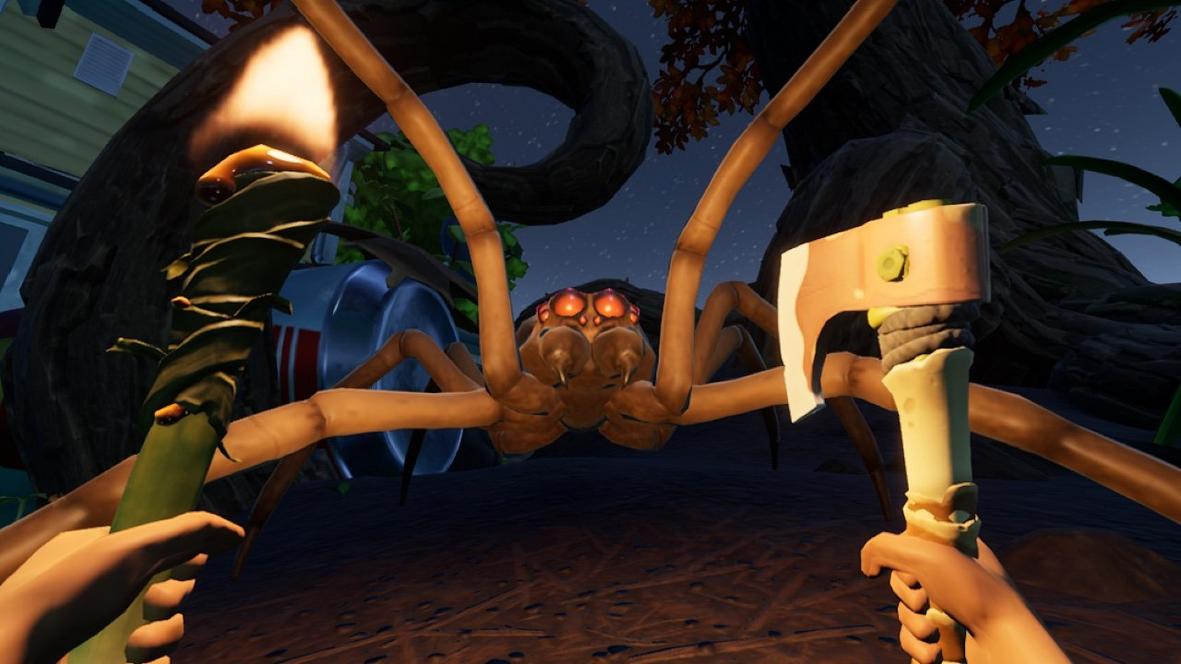
Shrunk to the size of an ant in a suburban backyard, you quickly realize survival isn’t about epic scale it’s about smart systems. Grounded blends open-world survival, base building, and light strategic planning into a tightly structured experience.
On Mild Mode, enemy aggression and combat damage are reduced, which makes it far more approachable for beginners. That allows you to focus on:
- Gathering plant fibers and insect parts
- Crafting tools and armor
- Building elevated or fortified bases
- Managing hunger, thirst, and stamina
What sets Grounded apart is its clear progression. Recipes unlock logically, biomes scale in difficulty predictably, and the story gently guides exploration. It avoids the chaotic “figure it out yourself” problem common in many survival crafting games.
For new players looking for structured onboarding within a base-building survival game, Grounded is one of the most accessible modern entries.
12. Anno 1800
Anno 1800 is technically an economic city-builder, but its population demands and production chains create a strong economic survival strategy experience.
You don’t just build houses, you build supply chains. Farmers need work clothes. Workers need sausages. Artisans demand canned food and rum. Every tier adds complexity, but the campaign mode introduces these systems in a highly controlled way.
Why it works for beginners:
- Exceptional tutorials
- Clear production chain visualization
- Structured mission-based progression
- Transparent population needs
Unlike harsher survival city builders, Anno rarely punishes instantly. Mistakes slow growth rather than cause collapse. That makes it ideal for learning resource optimization, trade networks, and long-term economic planning.
If your interest leans toward structured strategy management games rather than combat-heavy survival, Anno 1800 is a polished starting point.
13. They Are Billions
They Are Billions ramps up pressure compared to earlier entries, but its rules are crystal clear.
This is a classic RTS survival game built around defending your colony against massive zombie hordes. You expand carefully, manage energy and food production, and fortify defenses before inevitable waves strike.
For beginners, the campaign mode is key. It introduces mechanics gradually rather than throwing you into sandbox chaos. Many new players ease the transition by following a structured early-game walkthrough like the step-by-step guide survival wip, which breaks down how to prioritize housing, food, and perimeter defenses in the opening days.
Core systems include real-time resource management, defensive base planning, unit positioning and map control, and strategic expansion timing. If you want structured intensity within strategy survival gameplay, They Are Billions is a strong mid-tier challenge.
14. Endzone
Endzone is a post-apocalyptic survival city builder where radiation, drought, and environmental collapse shape your strategy.
Compared to Frostpunk, it’s less emotionally punishing but still layered. You manage food production, water purification, housing, and radiation protection while gradually expanding infrastructure.
What makes it beginner-friendly despite its depth:
- Clear environmental overlays
- Manageable pacing
- Structured research tree
- Adjustable difficulty settings
Endzone introduces layered management without overwhelming the player in the first hour. It’s an excellent bridge between basic survival resource management and more demanding colony simulations.
If you want environmental risk without constant panic, Endzone offers measured progression.
15. Planetbase
Planetbase focuses on space colony survival with moderate system complexity.
You oversee colonists on a hostile planet, balancing oxygen, water, food, and power. The systems are deeper than Banished but simpler than advanced colony simulators like Oxygen Not Included.
Why Planetbase works for beginners moving up the ladder:
- Limited colonist micromanagement
- Clear resource bottleneck visibility
- Structured tech progression
- Manageable disaster events
Its pacing encourages thoughtful expansion rather than rapid scaling. You’ll learn the fundamentals of colony management strategy, especially how interconnected life-support systems affect long-term survival.
For players ready to handle moderate system layering without diving into high-complexity simulation, Planetbase is a natural progression point.
16. Factorio (Peaceful Mode)
Factorio is often described as an automation sandbox, but at its core it’s a deeply strategic survival economy game. You crash-land on an alien planet and must build an increasingly complex industrial network to survive and eventually escape.
In standard mode, hostile alien creatures attack your pollution-heavy factory. In Peaceful Mode, those threats are minimized, transforming the experience into a structured introduction to automation systems, resource flow optimization, and large-scale production planning.
What makes Factorio beginner-accessible in this mode is clarity of logic. Every resource follows a visible path: ore becomes plates, plates become components, components become machines. The cause-and-effect relationships are transparent. When something breaks, you can trace it.
17. Timberborn
Timberborn replaces humans with industrious beavers, but don’t mistake its charm for simplicity. This is a refined resource flow strategy game centered around one critical mechanic: water.
You must manage river systems, build dams, store water for drought cycles, and maintain food production while seasonal dry periods threaten your settlement. The brilliance of Timberborn lies in how it teaches environmental planning. Water is both a resource and a constraint.
Unlike more punishing survival city builders, Timberborn introduces drought mechanics gradually. Early cycles are manageable. Later ones demand infrastructure foresight. This creates a smooth difficulty curve that encourages strategic thinking rather than panic.
If you want a thoughtful, systems-driven entry into environmental survival strategy, Timberborn is deceptively deep without being overwhelming.
18. Dawn Of Man
Dawn of Man places you in prehistoric times, where survival depends on hunting, gathering, and eventually agriculture. It functions as a layered colony survival game that evolves across eras.
You begin with small tribal groups relying on manual labor. Over time, you unlock farming, animal domestication, metalworking, and defensive structures. The progression feels natural because complexity is historically tied to technological advancement.
Unlike some modern colony simulators, Dawn of Man does not bombard you with simultaneous crises. Instead, it teaches through expansion. As your population grows, so does logistical complexity. Food storage, seasonal shifts, and predator attacks become more relevant.
If you want to experience long-term progression within a manageable framework, Dawn of Man provides a steady and logical learning curve.
19. Against The Storm
Against the Storm is one of the most innovative entries in modern roguelike colony strategy. Instead of building a single permanent city, you establish multiple settlements in short, high-pressure runs.
Each run introduces randomized modifiers, environmental conditions, and population needs. On paper, that sounds overwhelming. In practice, the game carefully scales its systems, and difficulty settings allow beginners to reduce pressure significantly.
The key difference is adaptability. You’re not optimizing a perfect long-term city. You’re learning to solve constrained survival problems under shifting conditions. That design makes the game more forgiving than it appears because failure is part of the loop, not a catastrophic end.
20. Cliff Empire
Cliff Empire takes survival city-building into vertical territory. You construct isolated settlements on towering cliffs in a post-apocalyptic world, balancing food, water, energy, and trade between separate platforms.
What distinguishes Cliff Empire as beginner-accessible is its compartmentalization. Each cliff functions as a contained system. That separation makes it easier to understand cause and effect within a single settlement before scaling outward.
Compared to harsher survival simulators, Cliff Empire emphasizes measured expansion and structured growth. It’s a strong midpoint for players transitioning from gentle city builders into more complex survival colony management systems.
If you’re ready for layered survival without the full intensity of high-end colony simulators, Cliff Empire provides depth with clarity.
21. Sons Of The Forest
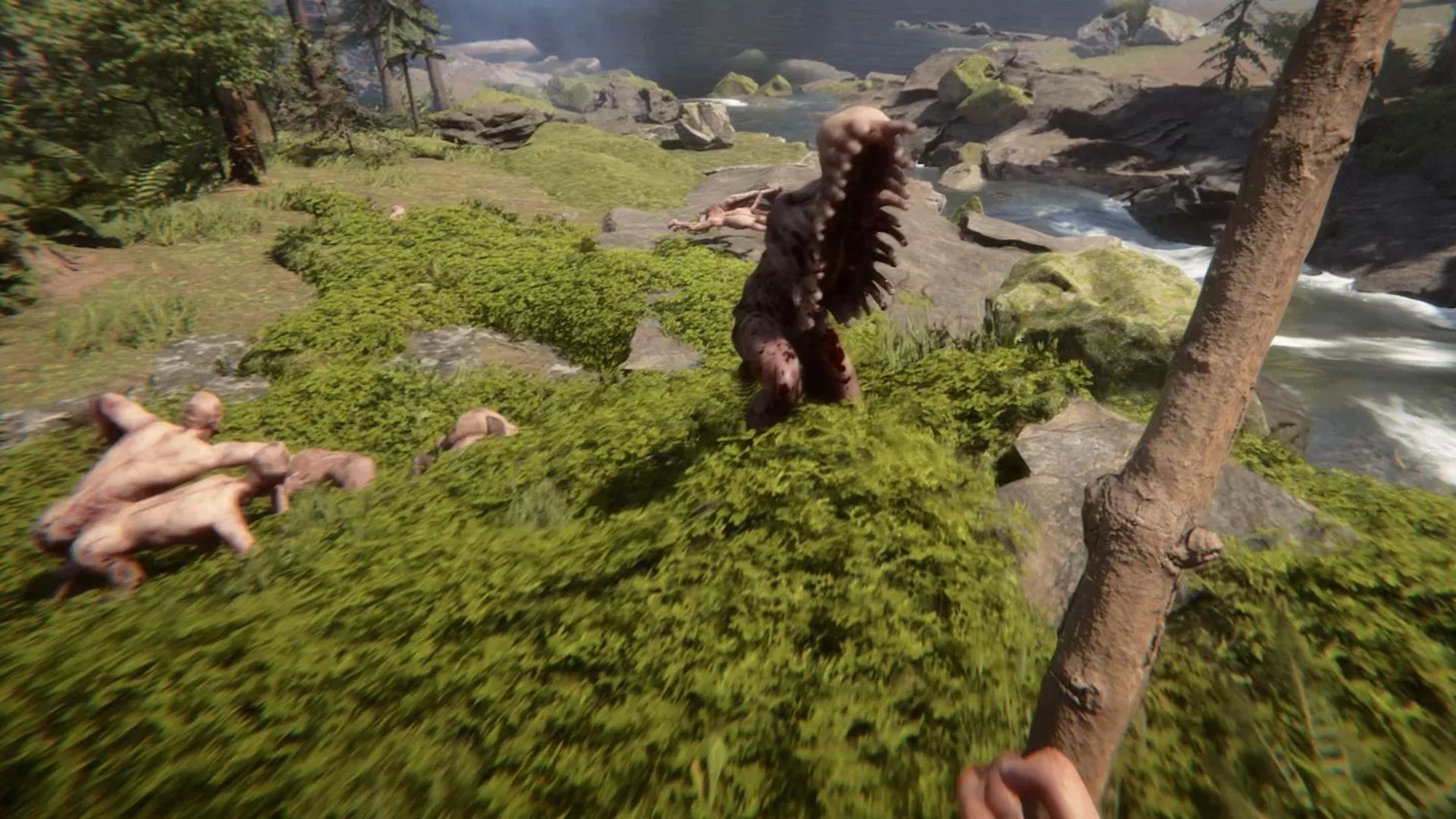
Sons of the Forest refines and expands upon its predecessor with more advanced AI systems and deeper survival base-building mechanics.
You gather resources, craft tools, build shelters, and defend against hostile enemies. But what elevates it strategically is companion AI and dynamic environmental behavior. NPC allies respond to your actions. Enemies adapt.
The building system remains intuitive; you physically place logs and structures rather than navigating complex menus. That tactile design lowers the barrier to entry.
Compared to heavier colony survival games, Sons of the Forest emphasizes player-driven construction and defensive planning rather than abstract management layers.
For beginners who want immersive survival with accessible crafting and visible defensive stakes, it offers intensity without deep economic micromanagement.
22. Farthest Frontier
Farthest Frontier leans heavily into realism. Farming is not just about building; it’s soil quality, crop rotation, frost timing, and disease management. This is detailed agricultural survival planning at scale.
You’re responsible for building a frontier town in harsh conditions. Winters are punishing. Food variety affects health. Infrastructure placement influences efficiency. It’s slower-paced but more granular than many earlier entries on this list.
What makes it manageable despite its detail is transparency. You can see soil fertility maps. You can inspect individual citizen needs. You can forecast food shortages before they spiral. That clarity makes it an excellent training ground for mastering survival resource chains and long-term stability.
23. Ixion
Ixion moves survival strategy into space, but its structure makes it surprisingly accessible.
You command a space station drifting through hostile sectors, managing hull integrity, population morale, food supply, research progression, and sector expansion. At first glance, that sounds overwhelming. The difference is in the mission structure.
Ixion is divided into chapters with defined objectives. Instead of pure sandbox survival, you’re working toward structured goals. That narrative scaffolding helps beginners understand priorities within the space survival strategy.
The game excels at compartmentalization. Each station sector can be optimized independently before expanding into another. This layered growth mirrors real-world systems management isolate, stabilize, expand.
If you’re ready for tighter margins and structured pressure in a colony survival simulation, Ixion is a disciplined step upward.
24. Surviving The Aftermath
Surviving the Aftermath bridges accessibility and complexity better than many mid-to-late-tier entries.
Set in a post-apocalyptic world, you build a colony while sending specialists into a wider map for exploration and scavenging. The dual-layer design city management plus world exploration adds strategic depth without overwhelming early gameplay.
Its key strength is gradual complexity scaling. Early game systems focus on food, water, and housing. Only later do pollution, disasters, and diplomatic relationships enter the equation.
The UI clearly communicates colonist needs, resource flow, and building efficiency. Compared to harsher survival city builders, it provides strong visual feedback loops, which help beginners understand cause and consequence.
25. RimWorld
RimWorld is often described as a colony simulator, but that undersells it. It’s a dynamic emergent storytelling survival simulation where systems collide in unpredictable ways.
You manage a small group of colonists stranded on a hostile planet. Each character has traits, relationships, skills, and psychological limits. Unlike structured city builders, RimWorld doesn’t guide you through clear objectives. It throws variables at you: raids, disease, mental breakdowns, weather shifts and expects adaptation.
Its depth lies in layered colony management mechanics:
- Detailed mood and morale systems
- Complex crafting and research trees
- AI-driven events
- Base layout optimization
The reason RimWorld overwhelms beginners is system interdependence. Food shortages affect mood. Mood affects productivity. Productivity affects defense. Everything connects.
Once you understand survival loops, RimWorld becomes one of the richest colony survival games available. But as a first entry point, it can feel like learning five strategy games simultaneously.
If you reach this tier, you’re no longer just surviving; you’re orchestrating chaos.
26. Escape From Duckov
Escape from Duckov takes inspiration from high-stakes extraction survival formats but applies a more accessible, stylized approach. At its core, it’s about calculated risk.
You gather resources, craft equipment, and attempt to extract safely while managing limited supplies. Unlike open-ended sandbox survival games, this structure introduces clear objectives and session-based tension.
The game emphasizes:
- Tactical survival mechanics
- Inventory risk management
- Resource prioritization
- Risk-versus-reward decision-making
Because sessions are structured and time-limited, beginners can learn from failure without losing weeks of progress. That containment makes it more forgiving than sprawling survival sandboxes.
Within the broader ecosystem of strategy survival games, Escape from Duckov focuses on short-term tactical planning rather than long-term colony growth.
For players who want structured tension without massive system overload, it offers a different but approachable survival experience.
27. Dwarf Fortress (Steam Version)
Dwarf Fortress is the foundation of modern colony survival simulation. The Steam version adds improved visuals and accessibility, but the depth remains staggering.
You manage a fortress carved into a mountain, balancing food production, trade, defense, construction layers, and social hierarchies. Systems operate at astonishing detail:
- Individual personality traits
- Economic production chains
- Geological layers
- Emergent political structures
Unlike structured survival games, Dwarf Fortress does not ease you in. It expects experimentation, failure, and long-term learning.
The Steam release improves UI clarity, making it more approachable than the classic ASCII version. But the core remains one of the most intricate strategy survival sandboxes ever created.
28. Project Zomboid
Project Zomboid shifts survival strategy into a grounded, tactical realm. There are no dramatic story beats or scripted progression arcs. Just realism.
You manage hunger, fatigue, infection risk, weather exposure, and psychological strain. The world persists. Zombies migrate. Supplies dwindle permanently.
Its strength lies in realistic survival mechanics. Every decision carries weight. Overconfidence often leads to death, often permanently, depending on the settings.
For beginners, difficulty customization is essential. Lowering zombie density and enabling forgiving modes transforms it from punishing realism into an educational sandbox for learning:
- Tactical base defense
- Risk assessment
- Long-term resource hoarding
- Environmental awareness
Project Zomboid demands caution. It teaches that a survival strategy is as much about restraint as expansion.
29. Conan Exiles
Conan Exiles blends open-world survival with structured base defense strategy.
You begin vulnerable and under-equipped in a hostile desert. As you gather resources and craft stronger materials, your focus shifts toward fortification. Enemies raid. Purges test your defenses. Location matters.
The game emphasizes vertical progression:
- Tiered crafting systems
- Territory control
- Defensive architecture
- Thrall (NPC) management
Unlike pure colony simulators, Conan Exiles keeps survival grounded in player-driven building and combat. But strategic placement, resource allocation, and defensive planning are essential for long-term success.
In co-op, complexity becomes manageable. Responsibilities divide naturally, reducing the mental load of survival sandbox management.
For players ready to combine action with layered planning, Conan Exiles bridges survival mechanics and strategic defense.
30. 7 Days To Die
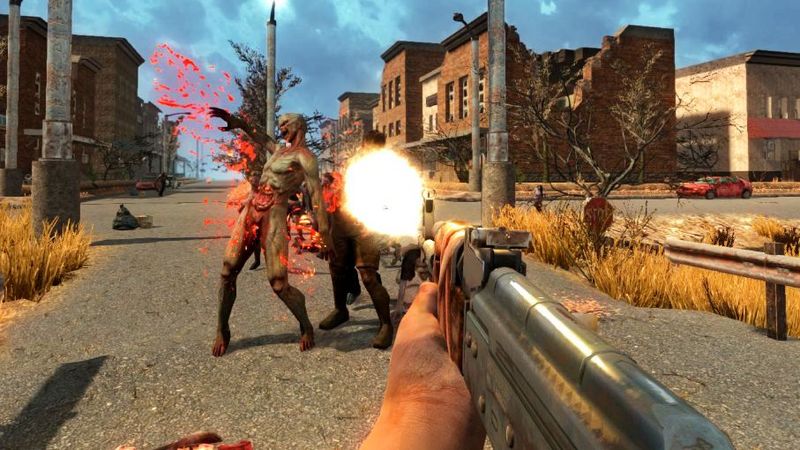
7 Days to Die revolves around a simple but brilliant loop: prepare for the seventh night.
Every seven in-game days, a massive zombie horde attacks your base. The entire survival cycle, scavenging, crafting, and upgrading, builds toward that defensive test.
This structure makes it one of the clearest examples of a base defense survival strategy. You’re not just building randomly. You’re engineering choke points, reinforcing walls, and designing trap systems.
The game blends:
- Open-world scavenging
- Skill progression systems
- Crafting depth
- Structural integrity physics
Unlike more abstract strategy titles, the feedback is immediate. A poorly reinforced wall collapses visibly. A flawed layout becomes obvious during a horde.
With adjustable difficulty and multiplayer options, 7 Days to Die can scale from approachable to brutally intense.
At this tier, survival is no longer about learning systems; it’s about mastering them under pressure.
31. Kenshi
Kenshi is the definition of an open-ended survival strategy sandbox. There is no structured campaign, no protective onboarding, and no safety net. You begin weak, often starving in a world that does not scale to your level.
Unlike traditional colony simulators, Kenshi blends squad management, exploration, base construction, and faction politics. You can:
- Recruit and train characters
- Establish self-sufficient outposts
- Engage in trade or warfare
- Lose limbs permanently
The brutality of Kenshi comes from systemic indifference. Hunger, slavery, wildlife, and raiders are constant threats. Growth is slow and hard-earned.
For players who have mastered structured systems and want a raw, emergent open-world survival management experience, Kenshi offers unmatched freedom and unforgiving consequences.
32. Empyrion
Empyrion expands survival strategy into full-scale space sandbox territory. You’re not just building bases, you’re designing starships, planetary outposts, and interstellar supply chains.
The game combines:
- Space survival mechanics
- Base construction with structural integrity
- Vehicle engineering systems
- Resource mining across multiple planets
Unlike Ixion’s structured objectives, Empyrion is largely sandbox-driven. Complexity stems from interplanetary logistics. Oxygen supply, fuel efficiency, radiation zones, and hostile factions all influence your survival trajectory.
Its building system is deeper than most survival games, allowing modular ship and base customization. However, that freedom increases cognitive load.
For players comfortable with layered survival sandbox strategy, Empyrion offers enormous creative control, but it assumes you understand how survival economies function.
33. Dune: Awakening
Dune: Awakening transports survival strategy into a harsh desert ecosystem where environmental management is everything.
Water scarcity defines the experience. Sandstorms reshape terrain. Massive threats patrol the open world. Survival revolves around:
- Environmental survival mechanics
- Resource extraction logistics
- Base fortification
- Factional conflict
For beginners, its open-world structure can feel overwhelming. However, early progression systems gradually introduce crafting and base mechanics before deeper faction systems emerge.
This is a survival strategy at planetary scale ideal for players ready to handle layered open-world survival management within a competitive environment.
34. This War Of Mine
This War of Mine reframes survival strategy around civilians in a war zone. There are no heroic power fantasies. Only scarcity, risk, and moral trade-offs.
You manage a small group of survivors sheltering in a bombed-out city. Each day involves scavenging for supplies. Each night forces decisions that affect health, morale, and group cohesion.
Its systems are deceptively simple:
- Limited inventory capacity
- Emotional stress mechanics
- Risk-based scavenging
- Shelter improvement decisions
The complexity comes from moral weight. Stealing from another family might keep your group alive, but damage morale permanently. Refusing might lead to starvation.
35. Cataclismo
Cataclismo blends base-building survival strategy with real-time tactical defense in a dark fantasy setting. Its defining mechanic is structural integrity; walls, towers, and fortifications must be physically supported, not just placed.
You build upward and outward while preparing for nightly waves of monstrous enemies. The emphasis is not just on expansion, but on architectural logic. Poor construction collapses. Weak choke points get overwhelmed.
For beginners, difficulty scaling makes it approachable at lower settings, but the strategic depth increases quickly. It teaches defensive design, resource pacing, and controlled expansion core skills within real-time survival strategy.
If you enjoy structured defense mechanics with strong visual feedback, Cataclismo is a rewarding step into tactical survival planning.
How To Choose Your First Survival Strategy Game
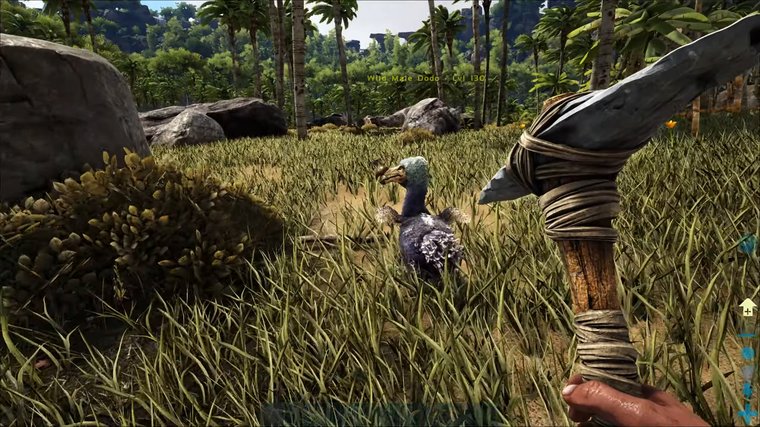
Choosing your first survival strategy game should feel exciting, not overwhelming. The right starting point depends on how much complexity you’re comfortable handling and what kind of challenge you enjoy.
1. Start With A Low Learning Curve
If you’re new to the genre, look for games that teach you slowly.
Beginner-friendly survival strategy games introduce mechanics step by step. You learn how to gather food before managing population growth. You build a small base before handling large threats.
Avoid games that throw many systems at you at once. The goal is to understand the basics first: food, shelter, and simple expansion before moving into complex automation or colony management.
2. Choose A Game With Manageable Micromanagement
Some survival strategy games require constant attention to every worker, building, and resource. Others automate tasks once you set them up.
If you don’t enjoy adjusting small details constantly, choose titles with lighter resource management mechanics. Games that allow automation or simplified workforce systems are easier for beginners.
Too much micromanagement early on can make the experience feel stressful instead of strategic.
3. Decide How Much Pressure You Want
Ask yourself: do you enjoy constant danger, or do you prefer controlled growth?
Games like RTS-style base defense survival games create steady pressure from enemies. Defensive planning becomes essential. Understanding wall placement and tower positioning can make a huge difference in success. For example, studying a comprehensive buildings and defense guidecan help new players see how structure durability and layout affect long-term survival.
On the other hand, sandbox modes reduce enemy pressure and allow you to learn systems more calmly.
There’s no wrong choice, just pick the stress level that matches your comfort zone.
4. Think About Playstyle: Economy, Defense, Or Exploration
Different survival strategy games focus on different strengths:
- Some emphasize economic survival systems, where food, trade, and production chains matter most.
- Others focus on defensive strategy and base planning.
- Some blend survival with exploration and crafting.
If you enjoy planning supply chains and balancing production, choose economic-focused titles.
If you enjoy designing defenses and reacting to threats, choose RTS survival games.
If you prefer immersion and world-building, try open-world survival hybrids.
5. Grow Into Complexity Over Time
You don’t need to start with the most advanced colony simulator.
Learn one system at a time. Once resource allocation, expansion pacing, and defensive planning feel natural, moving into deeper colony survival games becomes much easier.
The best first survival strategy game is one that builds your confidence, not one that tests your limits immediately.
People Also Ask
What Is The Best Survival Strategy Game For Beginners?
The best survival strategy game for beginners is one with clear tutorials, manageable resource management mechanics, and adjustable difficulty. Titles like Northgard, Subnautica (Freedom Mode), and Banished are strong starting points.
What Makes A Survival Strategy Game Beginner-friendly?
A beginner-friendly survival strategy game offers structured onboarding, transparent production chains, limited micromanagement, and scalable difficulty settings. Clear UI and gradual system introduction are critical.
Are Survival Strategy Games Harder Than Regular Survival Games?
Yes, Survival strategy games add long-term planning, economic balancing, and base management systems on top of crafting and exploration, increasing cognitive load.
What’s The Difference Between Survival Games And Survival Strategy Games?
Survival games focus on crafting, exploration, and personal character survival. Survival strategy games emphasize colony management, resource optimization, and large-scale planning.
Is There A Survival Strategy Game With No Combat?
Yes. Banished and Timberborn focus entirely on environmental survival and resource management without the threat of enemies or raids.
Final Thoughts
Survival strategy becomes rewarding the moment its systems make sense. Once you understand how resource management, base-building mechanics, and long-term planning connect, the genre stops feeling overwhelming and starts feeling powerful.
The key is progression. Begin with accessible survival strategy games for beginners, master their core loops, then move into deeper colony survival simulations with confidence.
Start where you are. Learn one system at a time. Then climb.
If this list helped you choose your first game, share it with a friend who’s been hovering over the “Buy” button and tell us which title you’re starting with.